Events

Special Exhibition | Another 1990s — Kansai Artists Beyond Time
Dates: May 29 (Fri)–31 (Sun) *In line with the fair’s opening hours.
Venue: Congrès Square Grand Green Osaka Lobby
Admission: Free
Curatorial Advisor:Katoh Yoshio (Director, APCA / Contemporary Art Planning KATOH YOSHIO OFFICE)
Artists: Akasaki Mima, Kodama Yasue, Matsui Shiro, Nakagawa Yoshinobu, Oshie Chieko, Tachi Katsuo, Tashima Etsuko
Cooperation: ARTCOURT Gallery, Gallery Nomart, imura art gallery, Nishimura Gallery, The Third Gallery Aya, Yoshimi Arts
In recent years, national and public art museums have mounted a succession of exhibitions focusing on Japanese art of the 1980s, but what kind of era was the 1990s? Japan’s economic bubble (1986–1991) collapsed, the “employment ice age” (1993–2004) began, the Great Hanshin-Awaji Earthquake and the Tokyo subway sarin gas attacks carried out by Aum Shinrikyo took place in 1995, and major financial institutions failed in 1997. In the art world, NICAF (Nippon International Contemporary Art Fair) opened in Yokohama in 1992, the first VOCA: The Vision of Contemporary Art exhibition, an annual survey of emerging artists, was held in 1994, and the Museum of Contemporary Art Tokyo opened in 1995, then the Sezon Museum of Art closed in 1999. The 1990s marked the beginning of a deeply uncertain period, and the start of the “lost 30 years,” the prolonged era of economic stagnation that followed the bubble’s collapse.
This exhibition presents important works from the 1990s by artists connected to the Kansai region, viewed from the perspective of gallerists, as part of another strand of history distinct from established art-historical narratives. Artists’ careers generally begin with solo and group exhibitions at galleries, with museum exhibitions coming later, and in that sense gallery shows are the front line of contemporary art.
For this exhibition, the participating artists have also contributed texts reflecting on the 1990s. These offer important testimony for reconsidering the decade not simply as a thing of the past, but as a starting point for ideas that continue to resonate in the present. By examining 1990s art through the eyes of gallerists, and by identifying and reassessing outstanding work that conventional art history has overlooked, we hope this exhibition will help pave the way for a new art history of Japan.
◉Related Talk
Rethinking the 1990s: Perspectives from Museums and Galleries
Date: May 30 (Sat) 13:00–14:00
Venue: Congrès Square Grand Green Osaka Room L
Speakers: Hayashi Yoko (Director, Hyogo Prefectural Museum of Art), Katoh Yoshio (Director, APCA / Contemporary Art Planning KATOH YOSHIO OFFICE)
Artists
Akasaki Mima
Born in 1965 in Hyogo Prefecture. Graduated with a BFA in Industrial, Interior and Craft Design from Musashino Art University in 1988. Akasaki studied directly under Yamazawa Eiko, a pioneer among women photographers in Japan.
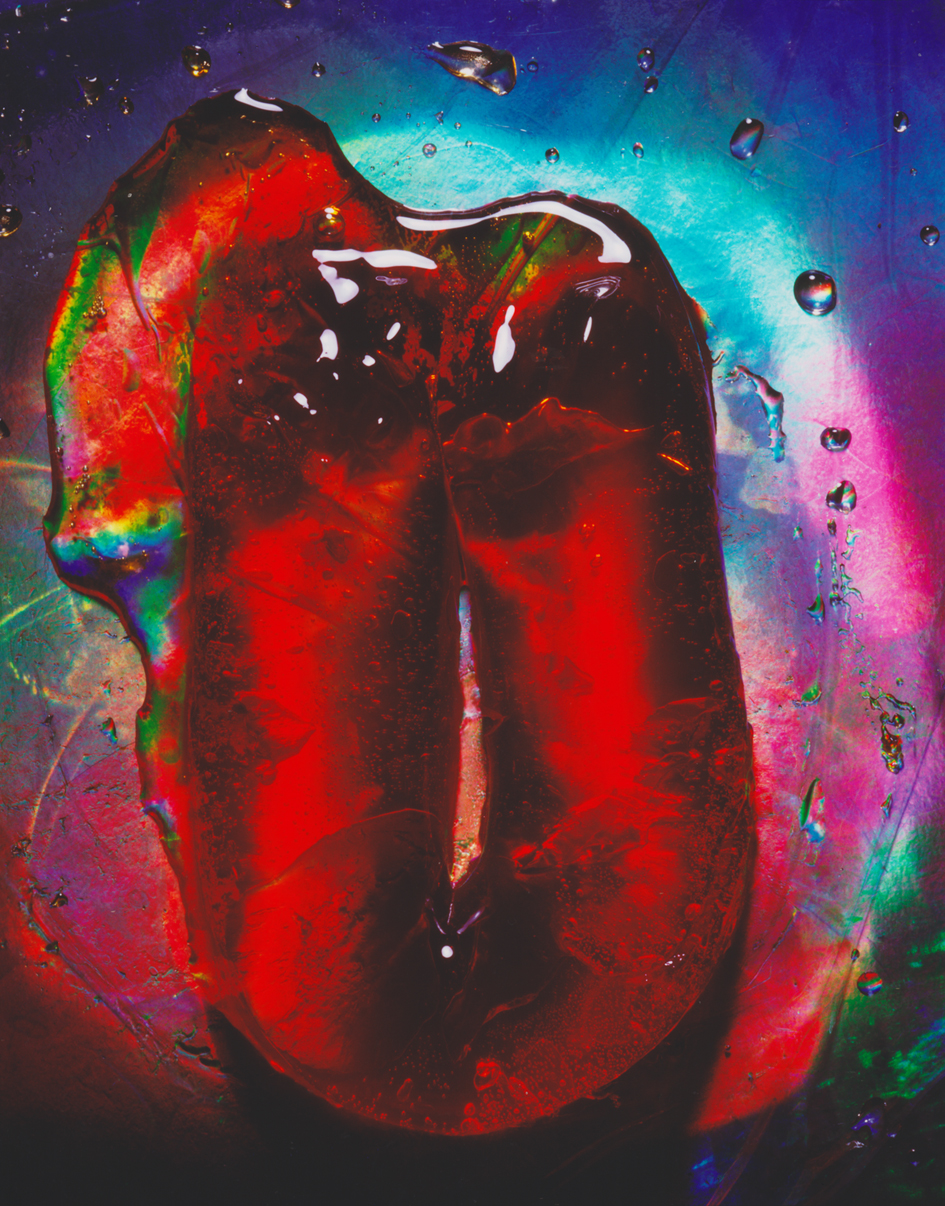
In the 1990s, she produced photographic works through a simple process, illuminating objects she had made herself and then shooting them. At first glance, these brightly glowing subjects leave a strange impression, seeming neither fully identifiable nor easily categorized as either figurative or abstract. They evoke not so much an act of seeing as the sensation of an afterimage lingering in the mind. Akasaki also used such photographs in immersive installations filling entire spaces. In recent years, she has gained recognition for producing images in which subjects such as plants, symbolizing hope, seem to emit light from within, marking a departure from her early work. Major exhibitions include “Contemporary Art Center, ATM Art Scene 90-96” (Art Tower Mito, 1996), “On Flowering Images” (Tokyo Photographic Art Museum, 2004), “What is the Real Nature of Being” (Ashiya City Museum of Art and History, 2007), and “Forest of Figs” (The Third Gallery Aya, 2013). Even as her subjects have changed over time, she has consistently pursued the possibilities of light in its many forms. Through the Agency for Cultural Affairs Program of Overseas Study for Upcoming Artists, in 2008 she spent one year in the Czech Republic, where she also held a solo exhibition.
[Public Collection]
Minami Ashiyahama Housing Complex Piloti / Shiseido Co., Ltd. / Schlumberger K.K.
—
Kodama Yasue
Born in 1961 in Hyogo Prefecture. Earned an MFA in Painting from Kyoto City University of Arts, Graduate School of Arts, in 1986.
From her meticulously rendered still lifes of the 1980s to the abstract paintings of the 1990s, and on through the paintings from the late 1990s onward in which abstraction and figuration converge, Kodama has consistently probed the nature of existence. At the same time, she has sought to apprehend the self as it stands in the here and now, and to train her gaze on the world that surrounds both herself and her subjects.
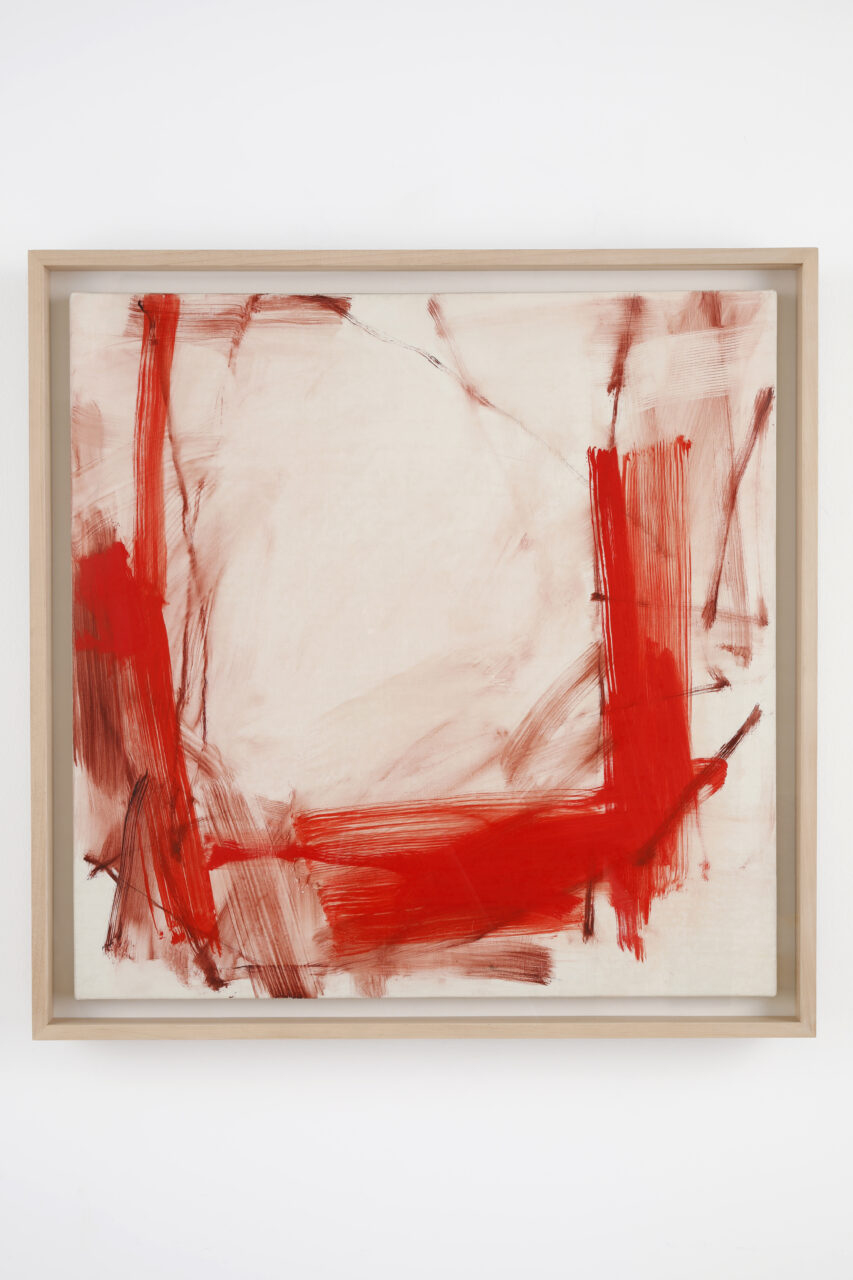
Her entirely monochromatic paintings of the 1990s employ the movement of the brushstrokes as a self-sufficient painterly language, not reliant on the visible world, to access a purely pictorial dimension. In doing so, they speak to her desire to reach the unknowable core of existence. They also read as a distillation of the raw sensibility that surfaced in the artist during her thirties as if rising from a hidden spring.
[Public Collection]
Oita Prefectural Art Museum / The Museum of Modern Art, Kamakura & Hayama / The National Museum of Modern Art, Tokyo / Hyogo Prefectural Museum of Art / The Museum of Modern Art, Wakayama / Busan Museum of Art / Kyoto Prefecture / Shiseido Art House / Tokyo Opera City Art Gallery / Chushin Art Museum, Kyoto
—
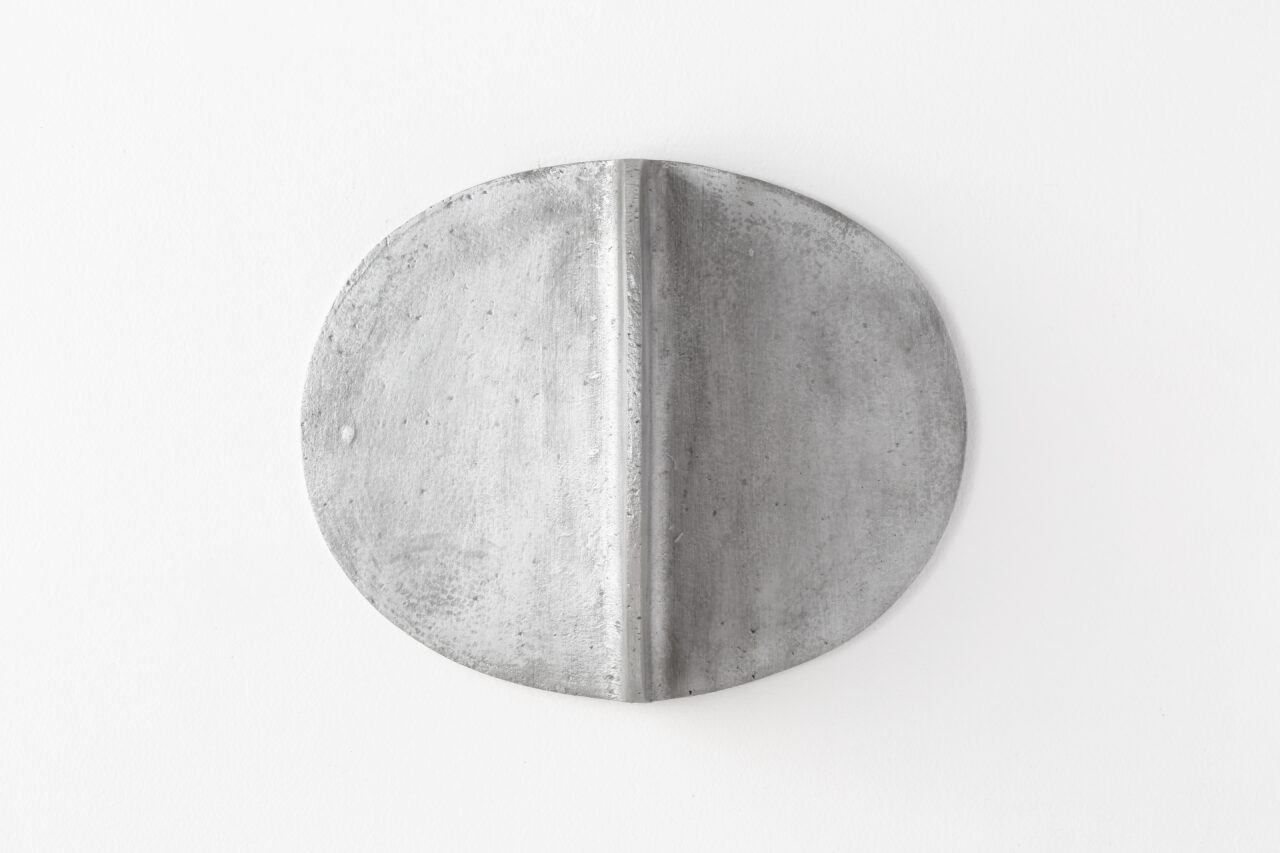
Matsui Shiro
Born in 1960 in Nara Prefecture. Earned an MFA in Sculpture from Kyoto City University of Arts, Graduate School of Arts, in 1986.
Since the 1980s, Matsui has used wood, metal, clay, stone, and other materials to create humorous and dynamic works that engage human perception and spatial awareness. He gained recognition as one of the young artists associated with the Kansai New Wave, and was selected for the annual survey Art Now ’85. Since the 1990s, he has also produced interactive works integrated with architecture, as well as monumental balloon pieces. In recent years, through collaborative experiments with JAXA (Japan Aerospace Exploration Agency) and space-related projects such as “Message in a Bottle”, he has continued to exhibit extraordinary works in a wide range of materials, forms, colors, and scales, focusing on the perception and experience of multiple dimensions of space and time, from the cosmos to everyday life.
[Public Collection]
Utsunomiya Museum of Art / Kyoto Municipal Museum of Art / Toyota Municipal Museum of Art / The Niigata Prefectural Museum of Modern Art / Hyogo Prefectural Museum of Art (Yamamura Collection) / Yamaguchi Prefectural Museum of Art / Kyoto City University of Arts / Agency for Cultural Affairs / Kyoto Prefecture / Ube City / Yonago City / Saarbrücken City / DaimlerChrysler AG
—
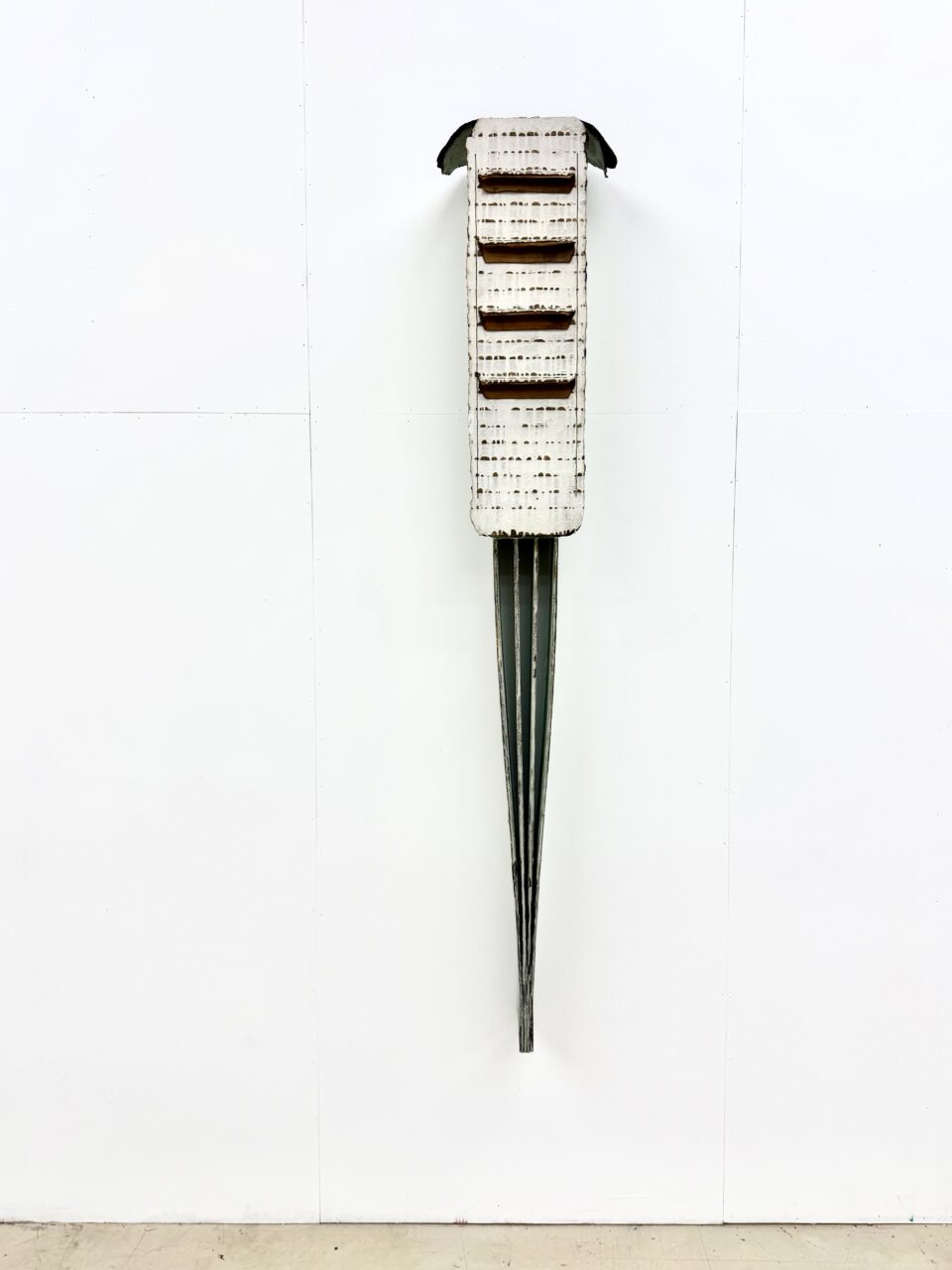
Nakagawa Yoshinobu
Born in 1964 in Osaka Prefecture. Graduated with a BFA in Fine Arts from Osaka University of Arts in 1987.
Since his first solo exhibition in 1987, Nakagawa has consistently produced works incorporating forms from the natural world, including those of vegetation, the land, and the surface of water. In sculpture, flat works, installation, and other media, he addresses the elemental forces at play in nature (activity and passivity, light and shadow, production and exploitation) and renders them perceptible, whether visually or through other senses, conveying the ways in which these forces underlie the broader world we inhabit.
He is currently based on the shore of Lake Biwa and continues to work prolifically.
[Public Collection]
The National Museum of Modern Art, Tokyo / Kyoto Municipal Museum of Art / The Museum of Modern Art, Wakayama / Ashiya City Museum of Art & History, Hyogo / Oita Prefectural Art Museum / Imadate Art Center, Fukui / Kyoto Prefectural Center for Arts and Culture / Osaka Prefecture / Osaka University of Arts / Showa Shell Sekiyu, Tokyo / Fuji Xerox Co., Ltd., Tokyo / The Yamasa Institute, Japanese Language School, Aichi
—
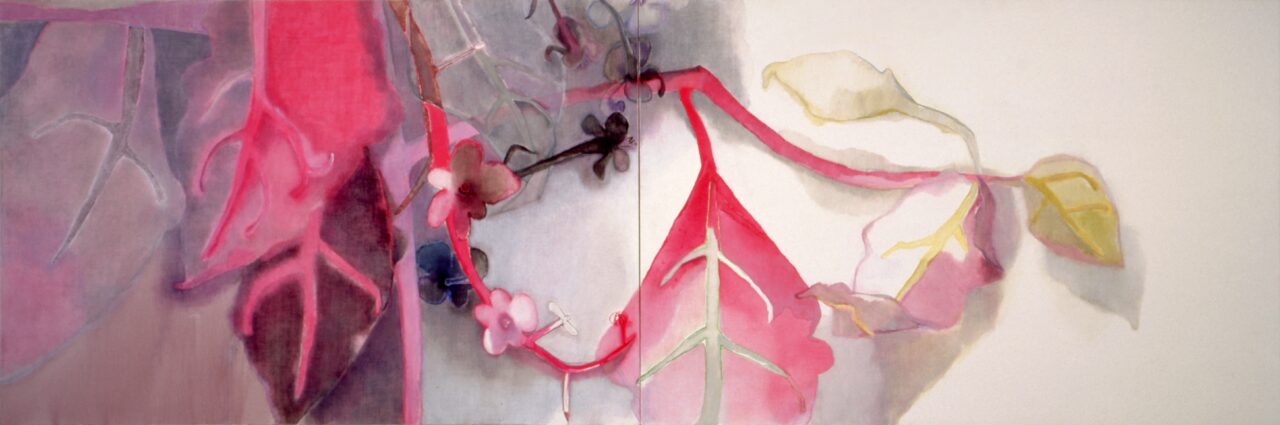
Oshie Chieko
Born in 1969 in Osaka Prefecture, and completed graduate studies at Kyoto City University of Arts in 1995. Applying oil pastel by hand directly onto the surface, Oshie produces works depicting roadside grasses and flowers with a distinctive sensitivity to color, and was already attracting notice for this vivid sensibility while still a student. An encounter with the plant known as pokeweed led to a practice of drawing familiar weeds and wildflowers while holding them in hand and observing them closely, resulting in works that convey both affection for the subject and a sense of intimacy. In 2001, she received the Takashimaya Art Award, the VOCA Prize, and the Kyoto City Newcomer Artist Award in rapid succession. From 2003 to 2005, she lived in Belgium through the Agency for Cultural Affairs Program of Overseas Study for Upcoming Artists. While continually pursuing new themes and compositions, she has advanced her work with steady assurance.
[Public Collection]
Ajinomoto Fine Techno Co., Inc., / Ashimori Industry Co., Ltd. / Urawa Royal Pines Hotel / Ohara Museum of Art, Okayama / The Museum of Modern Art, Gunma / Sakura Art Museum, Osaka / Hirakata City Hospital, Osaka / The Dai-ichi Life Insurance Company, Limited / Takahashi Collection / Takamatsu City Museum of Art, Kagawa / Tokyo Opera City Art Gallery / Delta Air Lines / Nikkei Inc., / Minokamo City Museum / The Museum of Modern Art, Wakayama
—
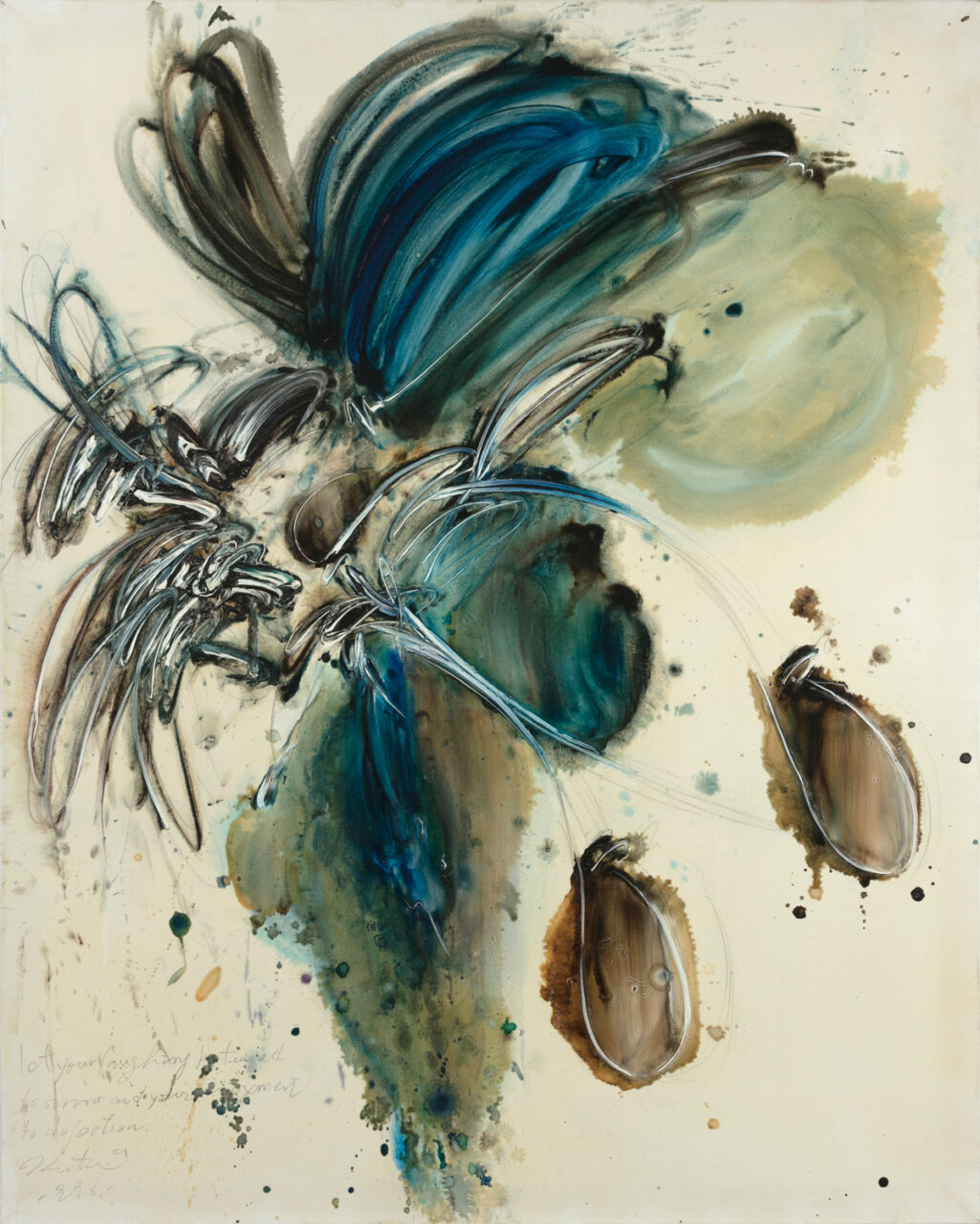
Tachi Katsuo
Born in 1964 in Mie Prefecture. Graduated with a BFA in Fine Arts from Osaka University of Arts in 1987. He died in 2009 at the age of 44.
Working with bold strokes and rapid brushwork, Tachi translated his inner imagery into biomorphic abstract forms. His family were professional beekeepers, and as a child he traveled with them around Japan as they followed the flowers through the seasons, growing up immersed in the natural world and attuned to its shifts, from the turning of the seasons to the changing light of morning and evening. These formative experiences became a vital wellspring for his art and led him to produce works depicting insects. In 1994, he was selected for “VOCA: The Vision of Contemporary Art” at The Ueno Royal Museum, where he received an Encouragement Award. He also showed work in a number of museum exhibitions, including Hara Documents 5 at Hara Museum of Contemporary Art in 1998 and a solo exhibition at Mie Prefectural Art Museum in 2001. He continued making art until December 2008, and his work never stopped evolving, growing in depth and intensity to the very end.
[Public Collection]
Mie Prefectural Art Museum / The Dai-ichi Mutual Life Insurance Company / The National Museum of Art, Osaka/ Konan University, Kobe / Aichi Prefectural Museum of Art / The Museum of Modern Art, Wakayama/ Hekinan City Tatsukichi Fujii Museum of Contemporary Art / Kyoto City KYOCERA Museum of Art / Hyogo Prefectural Museum of Arts
—
Tashima Etsuko
Born in 1959 in Osaka Prefecture. Graduated with a BFA in Ceramics from Osaka University of Arts in 1981.
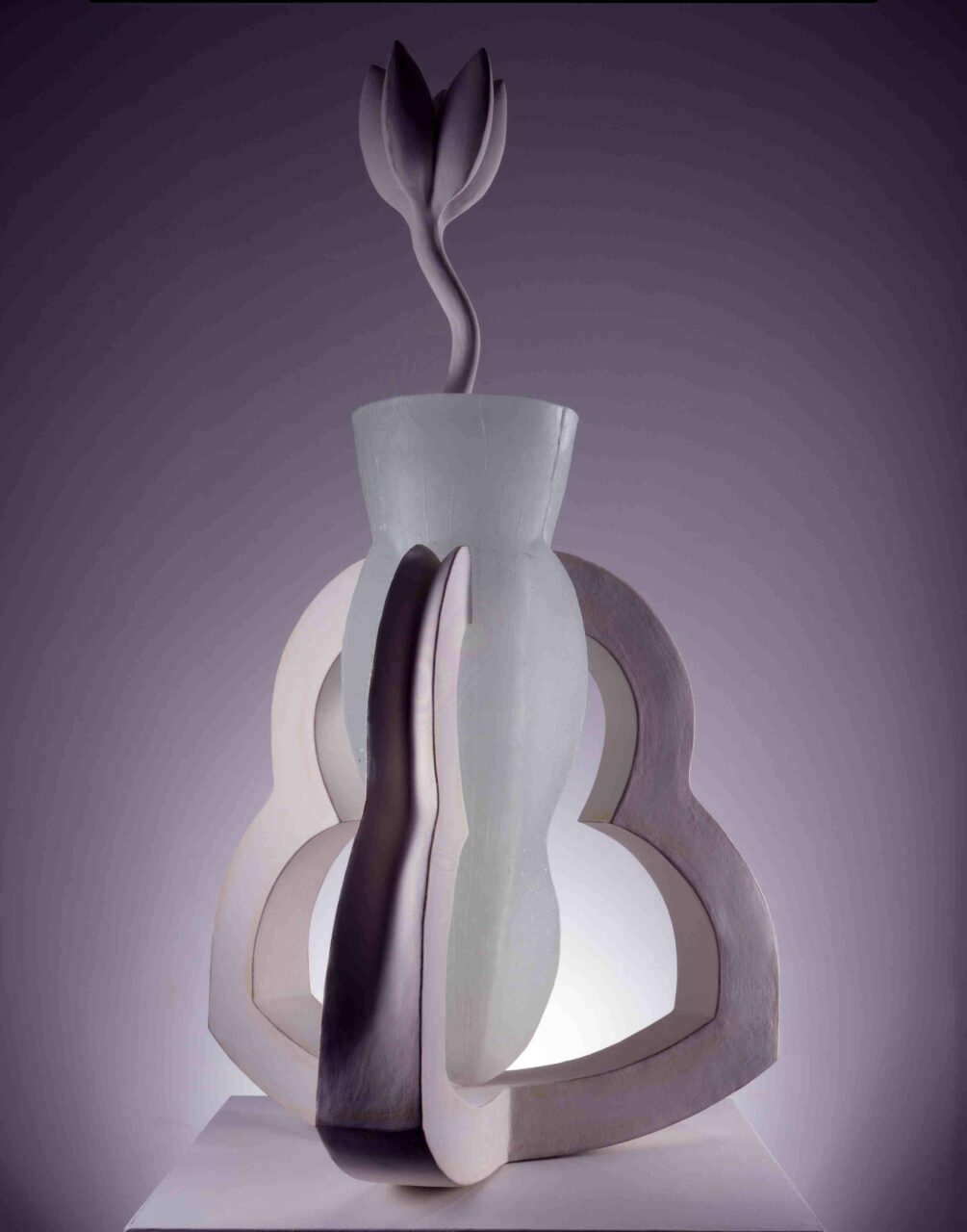
In the 1980s, Tashima came to prominence as one of the “cho-shojo” (“Ultra Girls”), a generation of women artists celebrated for bold, uninhibited work that defied existing art-world conventions. Her early work was charged with vivid primary colors and forms that evoked female physicality, and its raw energy commanded immediate attention. Around 1988, organic forms suggestive of plant life entered her work, and her focus shifted toward shape, texture, and the quality of the surrounding space. By around 1992, she had arrived at an austere palette of white slip alone, and her work took on a quiet, contemplative character. She went on to combine mold-cast translucent glass with ceramic, arriving at a mature practice in which refined pliancy and underlying strength coexist.
Public Collection]
The Shigaraki Ceramic Cultural Park, Shiga / Ishikawa Prefectural Kutani Training Center / Museum of Modern Ceramic Art, Gifu / 21st Century Museum of Contemporary Art, Kanazawa / Takamatsu City Museum of Art / The National Museum of Modern Art, Tokyo / Ibaraki Ceramic Art Museum / Ohara Museum of Art, Okayama / The Museum of Ceramic Art, Hyogo / Toyama Art Glass Museum, Toyama / ZENBI KAGIZEN ART MUSEUM / ZYingge Ceramics Museum, Taipei / Chazen Museum, U.S.A. / Asian Art Museum,U.S.A / Japan Arts and Crafts Museum, Argentine Republic / The Museum of Fine Arts, Houston, USA
[Public Collection]
The Shigaraki Ceramic Cultural Park, Shiga / Ishikawa Prefectural Kutani Training Center / Museum of Modern Ceramic Art, Gifu / Casa Japonesa del Museo de Arte Moderno de Buenos Aires, Argentine Republic / 21st Century Museum of Contemporary Art, Kanazawa / Takamatsu City Museum of Art / Takashimaya Archives / National Crafts Museum, Kanazawa / Ibaraki Ceramic Art Museum / Ohara Museum of Art, Okayama / The Museum of Ceramic Art, Hyogo / Toyama Art Glass Museum, Toyama / ZENBI KAGIZEN ART MUSEUM / Yingge Ceramics Museum, Taipei / Chazen Museum, U.S.A. / Asian Art Museum, U.S.A. / The Museum of Fine Arts, Houston, USA